
#chooseblocks
Month
The smart market is changing the definition of the watch, with wearable devices being all the rage.
But crazy watches have been around since long before smart devices, and some of these will make your mouth water!
1. Time and space: Zanis & Co. Nuvati Watch

This masterpiece contains pieces of the moon, Mars, and a “rare Spacegem”. Oh, and it has 70 more diamonds in there.
2. Blocks Smartwatch
First modular smartwatch coming soon. Similar to Google’s modular smartphone Project Ara. Think of it as Lego for your wrist.
3. Handless, Numberless (Pointless) Timepiece
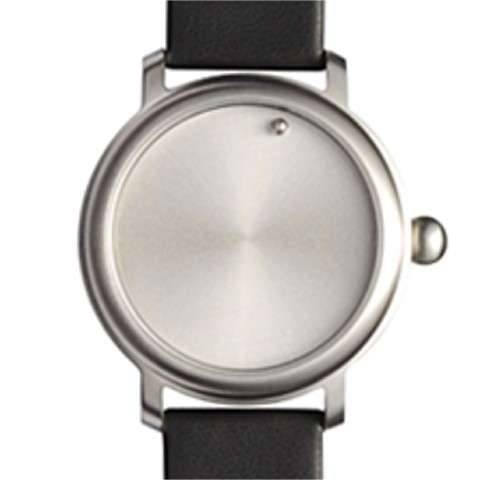
If you get the ball to stop moving, you’ll know the time.
4. Roger Dubuis Excalibur Automatic Skeleton Watch

The sexiest skeleton you’ll ever see. You won’t be wearing one as they go for £235000. And they’re sold out.
5. The Ora Unica Watch
6. GameBoy Watch
7. Concrete Watch
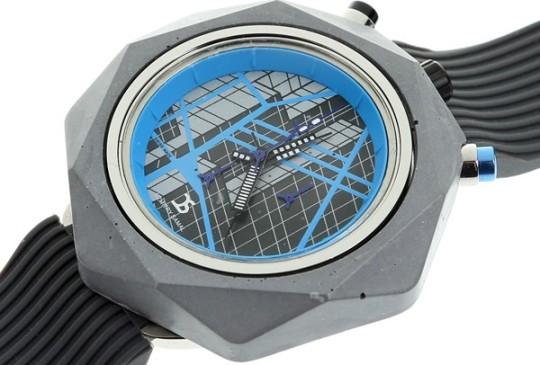
Our favorite building material.
8. GRO Design’s Kaleidoscope Watch
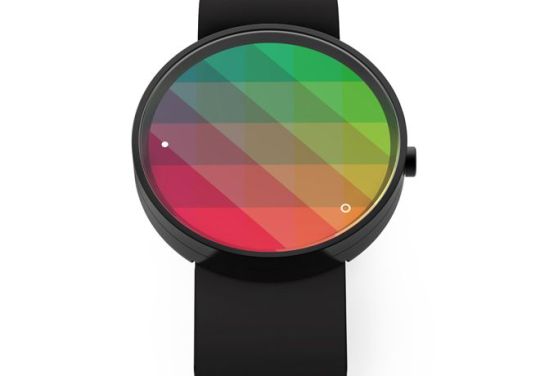
The colors on this kaleidoscope watch change as the “hands” turn.
9. IQ Blackboard Watch
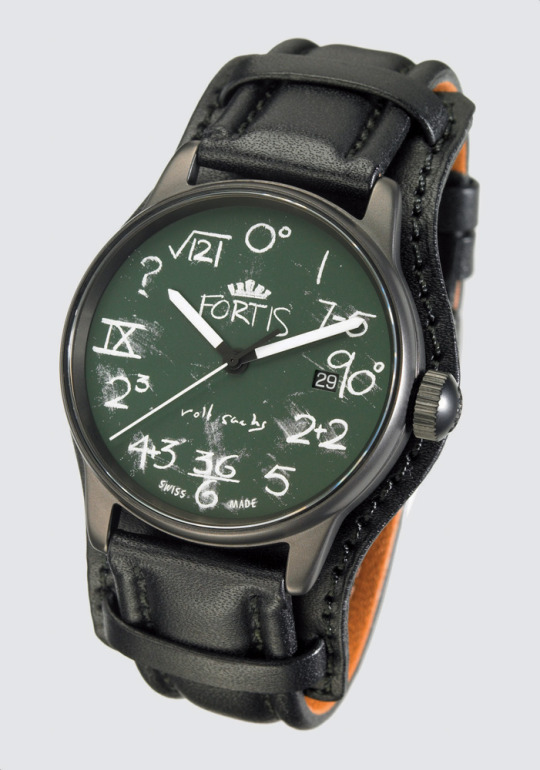
Perfect for anyone who misses school.
10. Subway Watch
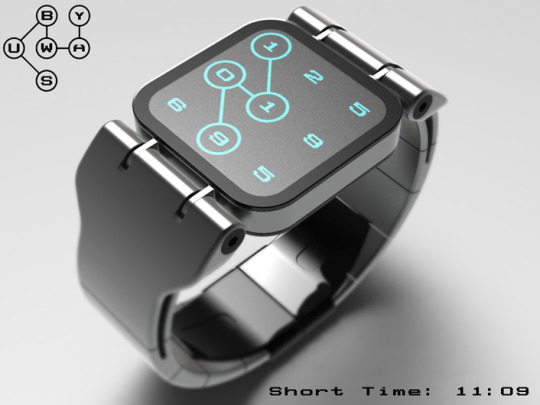
So you can arrive at the wrong place at the wrong time.
11. Cyclops Summer night
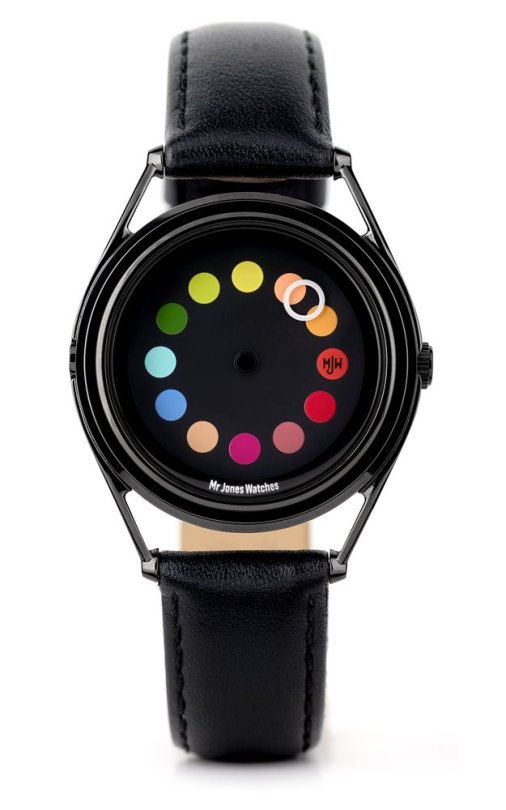
If you only sort-of want to tell the time.
12. Mr Jones Time Traveler
If you’re in 10 places at once.
13. Timeless
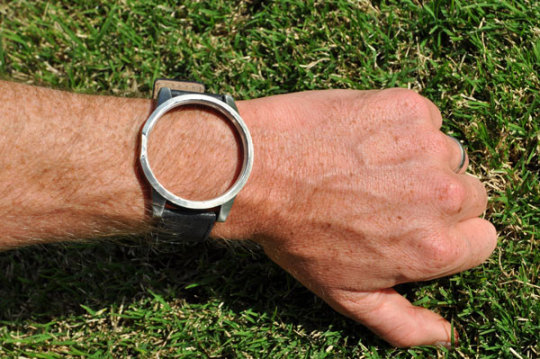
It has been described both as “classy” and for the stupid.
14. Euclid Watch
Not for the stupid.
15. Higgs Boson Watch
16. Love Watch Temporary Tattoo
The ultimate commitment.
17. Ridiculous Watches
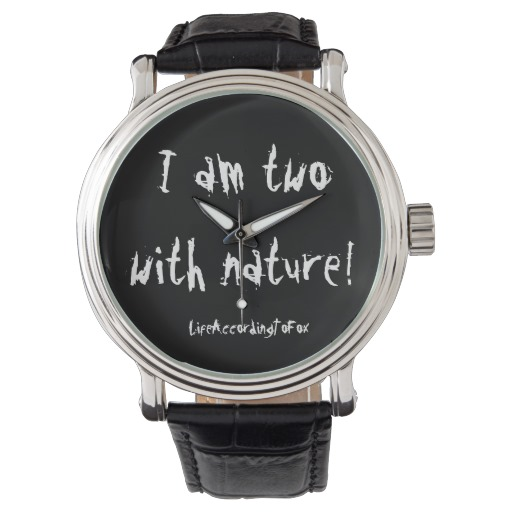
A cute, if lame, range.
18. Blade Wood Link Watch
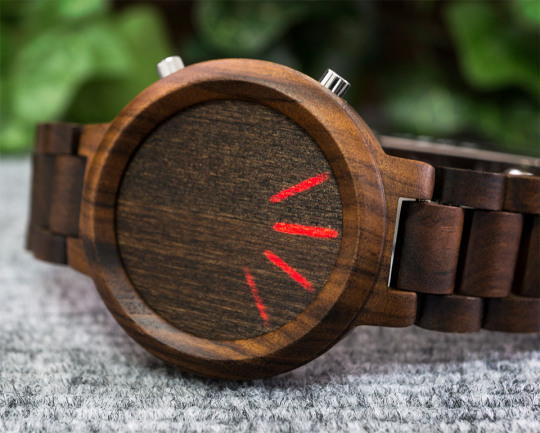
Hint : LED lights under the wood.
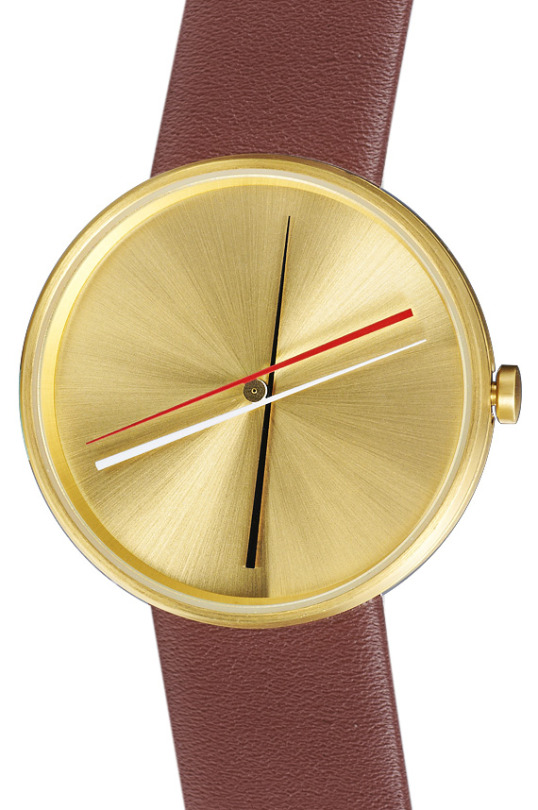
19. Brass Crossover (Pick-Up Stix) Watch
20. Terra-Time Watch
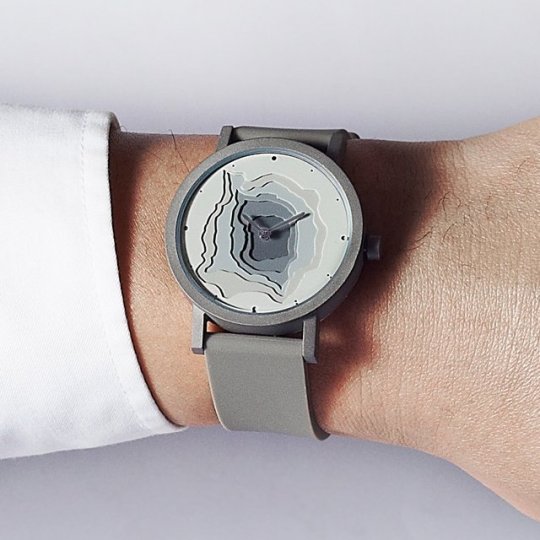
For lovers of terrain.
21. Ant Watch
Watches are the new farms.
22. Monty Python Ministry of Silly Walks Watch
Have. To. Have.
23. Dali Watch
24. Musk MR2129

The biggest, heaviest watch you’ll ever see.
25. Relativity Watch
ISWYDT (I See What You Did There)
26. I See Stupid People Watch
27. Hotaru Fashion Silicone Watch
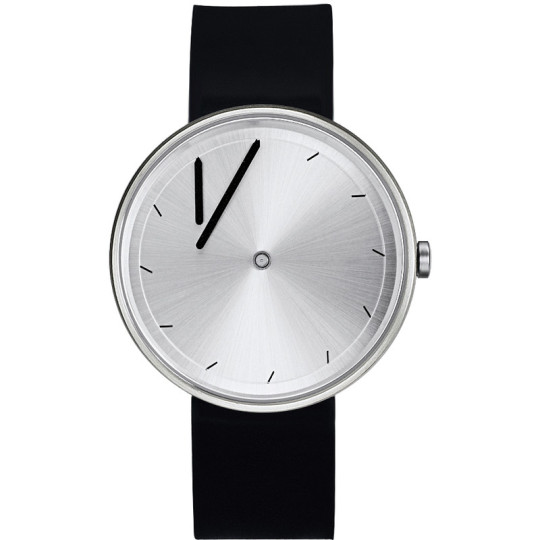
28. Projects Twirler Watch
29. Wants vs. Needs Watch
You need this watch…
30. Thunderbolt Watch
coming soon at #chooseblocks … may be …
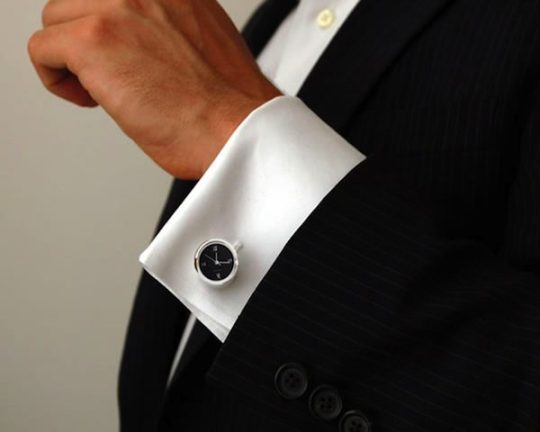
31. Watch Cuff links
32. Average Day Watch
33. Late Anyway Watch
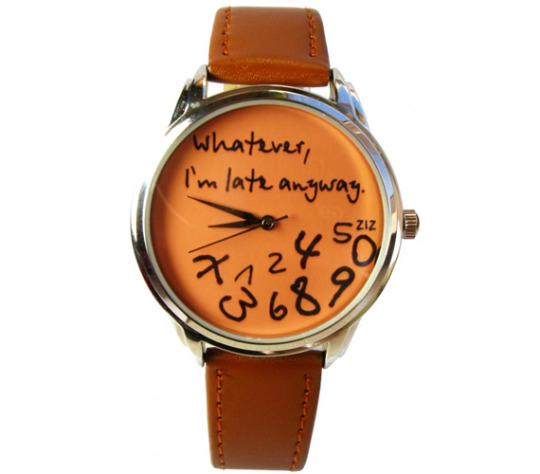
Me in my student days… And work days.
34. Wood LED Watch
35. i-toc Watch

Goes well with hairy arms.
36. Golden Bridge Watch
Gets across the time well.
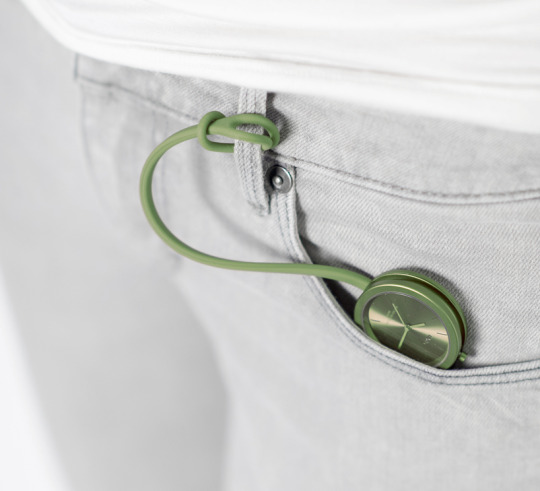
37. Take Time Watch
38. Samurai Inferno Red Hot Watch
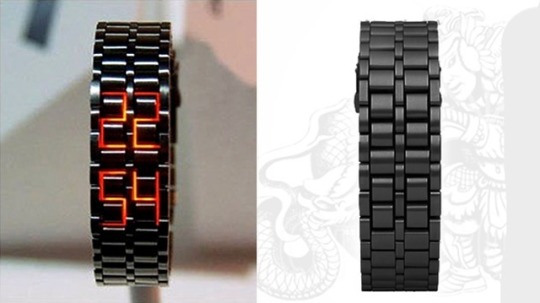
Named for geeky 15 year olds
39. Past, Present, Future Watch
If you want to know what time is, rather than just the time.
40. Reveal Watch

41. Backwards Watch
Oh God.
42. Qlocktwo Watch
43. Sisyphus Watch
Almost there, Sisyphus. Almost there.
44. Shakespearean Watch
45. Free Time Watch
46. Space Invaders Watch
47. Void Retrograde Watch

48. Digital Destruction Watch
What digital did to analogue a very long time ago.
49. Ziiro Pocket Watch
50. Star Wars R2D2 Watch
51. Christopher Walken’s Hidden Gold Watch
The smallest equipment ever captured on film.
Sign up to know when we are launching Blocks Smartwatch

Do you have a favorite ?
In the comments add the crazy watches we did not include !

Ever been in a life or death situation? Surrounded by deadly animals, when your phone dies on you?
I was in South
Africa when this happened.
My neurotic cousin
drove cautiously, but when a springbok appeared on the road, she
stamped the accelerator instead of the breaks.
Swerving to avoid
the buck, the car careened off the bumpy road and down a hill,
rolling three times before landing against a tree.
We had no way out.
No one had seen the accident. Except for the lions. And buffalo, and
elephants and more. They love tourists.
My smartphone
saved us
It almost didn’t.
In the hours we’d been driving through the reserve, my cousin’s
battery had died and mine was on its way out.
There’s very
little signal in the area, due to the attempt to keep nature…
natural. But after several desperate attempts, we managed to get
through to my cousin’s husband, who called park officials.
Soon after, my
battery breathed its last. And then we waited.
We were stuck in a
battered car, with no contact with the outside world, for over 5
hours before they could locate us.
Batteries haven’t
evolved fast enough
I was using an
iPhone 5S at the time, which is notorious for its tiny battery life.
There’s a simple reason for this. iOS developments brought a huge
increase in usability to the iPhone - without increasing its size.
Who wants large
smartphones? That’s what tablets are for. But the small battery
size means a limited battery life. And while it’s not a problem
when you’re in an office, there are times when there is just no
practical way to charge it.
Like when you’re
in a crashed car, surrounded by wild animals.
You’ve probably
had this problem if you use wearable technology, which is by
definition small. At the moment, the problem is kept in check by the
limited capabilities offered by, for example, a smartwatch. I myself
was put off by the idea of a watch that has to be charged all the
time. It’s like we’ve travelled back in time to the days they had
to wind their watches.
Now I use an iPhone
6+, and the battery life is better. But not by much. The only
solution seems to be heavier, bulkier products.
But why is size so important? Doesn’t technology keep getting smaller?
The answer to this
lies in the
workings of a battery. Batteries are made up of a
collection of metals and chemicals. Chemistry doesn’t work the way
we’d like it to - smaller is not necessarily better. “Think of it
like a drink,” CNET
explains, “If you put less beer in your mug, you
just have less beer.”
Battery technology
hasn’t evolved drastically in the last 15 years. At the moment,
scientists are looking for ways to get the most out of the old-school
lithium battery instead of using new innovations.
There are millenials
who are younger than the current form of battery. But science simply
hasn’t found a significantly better alternative.
Adventure time
If you’re
adventurous like me, you’ll be particularly familiar with this
problem. While the modern age has given us technology that vastly
improves the experience and safety of camping and hiking,
there’s often no way to extend its usage throughout the trip.
Taking photos and
videos is viable for a day at most. You know how quickly a video
drains your battery.
And if we get lost,
we can’t rely on GPS to get us back on track. This can be a
disaster. I don’t know about you, but I’m dependent on technology
for getting around. I love it, but it’s made me pretty useless when
it comes to directions.
There are other
necessities of having your smartphone with you. You can learn to
adapt to unexpected situations without having an expert on hand. You
can download survival guides and apps beforehand, as well as making
sure you have the necessary information for any first-aid emergency.
As I learned, a dead
battery could have led to my demise. Adventuring has always been
dangerous, but increased technology should have made it far safer.
Wearable
technology
Now that wearable
technology is gaining popularity, it’s bringing more and more
features you didn’t know you needed. Especially useful is the
health
and fitness capabilities. You can track your distance
and pace effortlessly, and check up on your heart rate and
temperature.
Once again, these
advancements are only useful if you have a charged battery. As soon
as it runs out, your carefully kept data is left incomplete.
This applies in
day-to-day life as well. Wearers of smart watches, for example, are
finding the step tracker, heart rate monitor, sleep monitor, and even
workout goals, vastly important in improving and maintaining their
health.
Everyday life
It’s not just in
the wild or in the gym that battery life is vitally important. New
technology becomes immediately important in the working world. It’s
no longer possible to work in the corporate field without a
smartphone. When my devices die, I become more useless than they are.
Often you won’t be
tied down to an office. Running around, attending meetings on the go,
giving presentations - your smart device makes these obligations
necessarily easier and more efficient. Your battery needs to last.
Blocks offers an alternative
Blocks has developed
a modular conception of wearable technology. It is a customisable
smartwatch, which gives the wearer a variety of parts which connect
seamlessly to each other. These range from different screen shapes to
portable memory.
Importantly, Blocks
offers ways to keep your device charged and ready at all times,
including the following:
1. e-ink screen:
this nifty block offers a way to save energy, by using a simplified
screen with no screen glare
2. extra battery blocks: this is the ultimate resolution to your battery woes. By adding extra battery blocks, you guarantee continual power, even on a long camping trip in the wild
3. kinetic charger: this is still in the research stage, but in the future the solution to all your problems will simply be in doing what you do. Your constant motion will be picked up and converted into energy, ensuring a continually replenishing supply
The battery revolution is already here
So while science is
yet to come up with an alternative to the lithium-ion battery, a far
simpler solution is one of the exciting features you can expect with
Blocks. There’s no need to wait for that elusive day when the power
chimera is found. Instead, you’ll be wearing all the energy you
need around your wrist.
There are many more
exciting capabilities coming along with Blocks technology. With an
open platform for software and hardware, the possibilities are
endless. Without battery blocks, however, the use of those
capabilities is limited - as smart devices have been for years. It’s
a foundational feature, that sets the stage for a surge in
technological usability.
So that next time
you’re stuck in the wild, technology won’t let you down.
Increased battery
life is just one way that Blocks will improve technology.
Sign up to keep up with how Blocks is going to change your life.
Since the beginning, there was one question that we kept asking ourselves, over and over again.
Are we a tech product, or a fashion product?
BLOCKS is a technology revolution. That’s all it should need to become a success, right? No. The very fact that BLOCKS sits on the user’s wrist means that it automatically becomes a fashion statement.
One unforgettable journey later, we found our answer.
THE FIRST BLOCKS
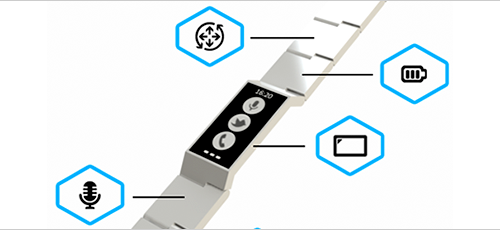
8 months ago Omer had thrown together the design above to explain the unbelievable concept. I still remember when I first saw it; I was mind-blown. It was designed simply to visualise the idea, and it did that perfectly. The tech world loved it.
However, we were constantly told that it looked highly uncomfortable. The only way to really know was to test it, so we jumped on the big 3D printing craze and manufactured our first ever design prototype in our labs.
When Omer handed me the prototype, I was excited! BLOCKS! I held it in my hand, connected and disconnected different BLOCKS, and after admiring every angle of it, I eventually wrapped it around my wrist…
Strong. Great fit. But sharp. The straight edges made it slightly uncomfortable to wear, but I didn’t mind. I was still imagining reading my body stats, receiving notifications instantly from my phone, and maybe even having a laser BLOCK to annoy my friends with (which I still want!).
Of course, there was room for improvement, but design is always a matter of preference. You might remember the ‘BIG VOTE’ that we asked our community to take part in, which included a section devoted to our next design. We pushed that out, got an amazing response, and BLOCKS version 2 was born…
ADAPTING TO THE WRIST
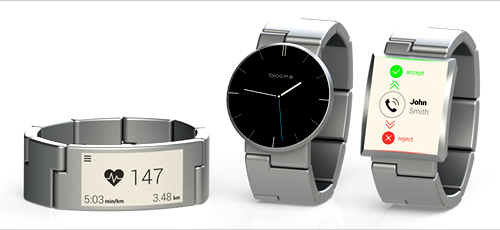
Curved BLOCKS! Yep, we were moving away from a ‘BLOCK-y’ design, but definitely in the right direction. Not only did this introduce improved ergonomics, but we also presented a selection of different displays. The band, circular, and rectangular screens.
The response was great.
As soon as Omer had finalised these designs, I put together a new website to show them off to the world. The result? Emails. Emails. And more emails. More tech magazines wanted to write more articles about us, and we started trending across the web again. WOOP!
BUT…other issues had arisen. Serge and I decided to get more feedback on BLOCKS, so we carried out hours upon hours of video calls with many of you around the world, and you highlighted two main problems we had to solve:
Well, we already had an answer that provided high-levels of customisation: modularity. We realised we had to take modularity further, so we did.
EVOLUTION, TO A REVOLUTION.
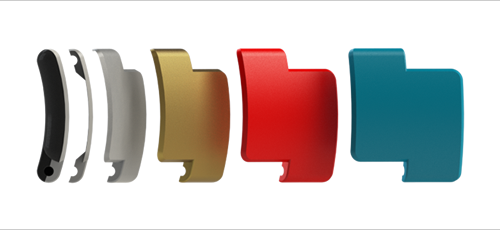
Yep, these are modular modules! The lower half of a BLOCK has an unbelievably comfortable rubber finish, and the top consists of awesome removable fascia!
It was the perfect answer to cross-activity comfort and customisable design. This means it’s now comfortable for any activity including sports, and still looks the way you want for casual wear!
It made perfect sense to allow customisable looks. The reason Alireza thought of introducing modularity to wearable technology was to allow users to choose something that suits them. The same concept works perfectly for design:
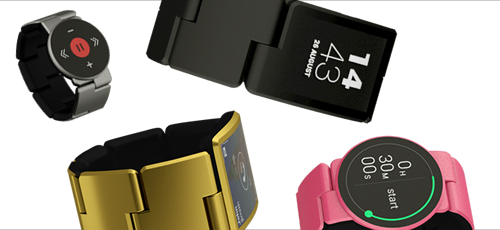
I have tried on multiple of these design prototypes, and it really is a huge leap forward. But don’t just take my word for it. We’ve had some great feedback, a notable one coming from one of the biggest tech magazines out there:
“WIRED has tried on an early prototype of a BLOCKS watch and found the fit to be more ergonomic than many other smartwatches we’ve tested, most of which have been created by more experienced consumer electronics manufacturers.” - Katie Collins, WIRED
So…are we a tech product, or a fashion product?
Well, we’re actually both; as we like to say, we’re techno-fashion! With BLOCKS, users can assemble a device that works and looks exactly how they want it. Fashion meets function.
And the best part? We can now invite fashion labels on board to design their own looks! They don’t have to worry about technology. They’ll get their brand on cutting-edge tech from leaders in the technology industry. Open hardware, open software, and open design. Perfection.
There really is no limit to how big BLOCKS can be, which is what drives us all forward to making this happen. It is en route to becoming one of the best devices we will ever see, and it will only get better and better…
Until next time,
Hakeem
P.S. If you want to see our latest design in all it’s beauty, be sure to check out our video!
“When you fall flat on your face, you’re still moving forward”
We fell, on many occasions! But we got back up every time, and continued moving forward, meeting new challenges…and climbing some awesome peaks :)
THE ROLLERCOASTER BOOST
Imperial Create Lab in London were the first to challenge us! They organised a competition where startup companies could pitch to a panel of judges for a £10,000 prize.
It was thanks to this competition that we were really pushed to prove our concept, the concept the media had shared worldwide, the very concept that some believed to be impossible….
ONE WEEKEND! WE DID IT ONE WEEKEND! A very long weekend at that. All 4 of us, along with a new recruit, Karl Taylor, had stayed up most of the night (only Karl and myself managed to make it through the night; Ali, Serge, Omer, we’re still disappointed…) working tirelessly to build the world’s first, apparently impossible, modular smartwatch system.
Omer was a blur, running to and from the 3D printer.
Serge was lost in interfacing our first ever BLOCKS.
Alireza was on fire, busy soldering the electronics for the BLOCKS of hardware.
Karl was losing his mind, working on the device drivers.
And me? Hacking together some overly complex code…
The moment when that screen finally flickered to life…never will it be forgotten…
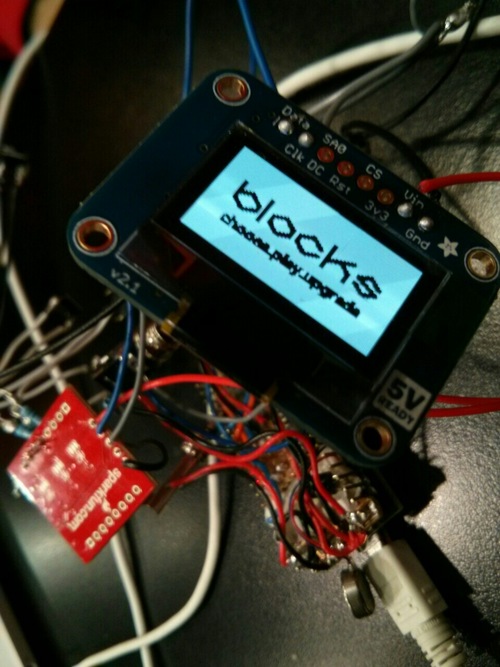
Of course, there was still a way to go! But we had managed to get a display block, motion block and an environment block to connect to the main core processor block, which was able to detect the hardware upon connection, and to pull/push data from/to them!
We had proven a modular device was indeed possible.
THE FIRST INVITE TO FAME
We made it into the finals of the competition for the £10,000! But before the final pitch, we were also invited to the first ever Wearable Expo in Europe!
As Omer stated, “we saw the future of wearable technology all in one place”.
What was even better was how all these big companies, our potential future competitors, loved the idea of BLOCKS!
However, we needed to get a move on, get some funding, and bring it to life…
THE FIRST LOSS TO SUCCESS
Yep, we experienced our first fall. Unfortunately we had just missed out on the £10,000 prize, coming in second place. But remember, even though we had fallen, we were still moving forward…

Soon after, we were invited to pitch to Prince Andrew and the Mayor of London. We exhibited at the British Fashion Council, the Bluetooth Future Is Smart event. We took part in the European Innovation Academy, and currently taking part in the Intel Make It Wearable Challenge!
Most memorable event so far? Well…other than getting overly excited at watching BLOCKS go crazy in the tech world, it has to be when Prince Andrew decided to take a selfie with the audience! Was quite surprising to say the least…
But what a crazy journey it has already been! We have made a LOT of progress, with our most recent success becoming a finalist of the Intel development track. We’ve been provided with funding as well access to the latest cutting-edge technology from one of the biggest companies in the world.
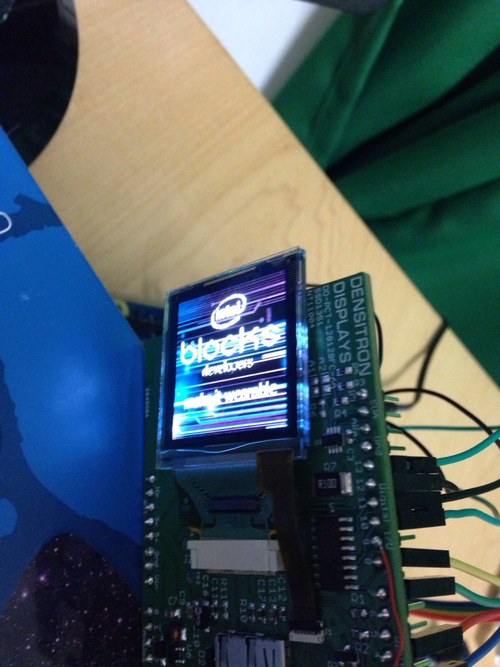
We are currently working with Intel as finalists in their competition. We made it into the top 10 of wearable startup companies, out of 400+! Development is well underway for the amazingly small and powerful Intel chip, and as you can see with the test display above, we’ve already got our next prototype functioning!
So, what are the next steps? Build a slick UI with a library of apps, and of course, make it look beautiful…
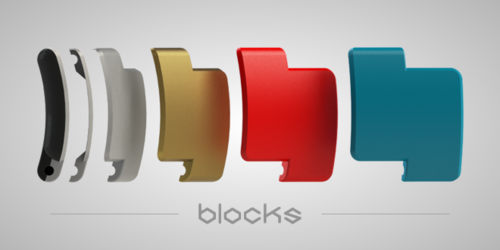
The design of BLOCKS is getting better, more practical, and way more fashionable by the day! (awesome work Omer!) We’ve recently updated our website with our latest designs, so be sure to check it out.
However, best of all, we’ve finally found the answer to open-design as well as cross-activity comfort!
But let’s end it there for now…we’ll dive into the awesome block-evolution next time…oh, BTW, I’m currently working on a new promo vid for BLOCKS, so keep an eye out for it ;)
Yours truly,
Hakeem
I met Alireza Tahmasebzadeh one year ago on a trip to Silicon Valley, and found him to be an extremely surprising character; he had already published books at the age of 19 (same age as me at the time!). The trip was organised through our university’s entrepreneur society, of which Serge Vasylechko was the 25 year old President for 3 years running, who turned out to be a very ambitious figure.
I was approached by these two in January of 2014, shortly after I had just published my digital portfolio. That’s when I heard about the smartwatch idea that would change my life.
THE IDEA
It turned out that a few months before, Alireza had wanted to build a gesture-control smartwatch; imagine increasing the volume of your TV by simply raising your hand, switching to the next song on your playlist by flicking your wrist, or even fast forwarding a movie by moving your hand in a clockwise circle.
However, having approached Serge for advice, Alireza was forced to consider other sensors. Serge, the bio-engineer, has a huge passion for using technology in the world of health. He wanted to bring life-changing instruments to your wrist; heart rate monitors, blood oxygen meters, activity trackers.
They couldn’t decide on what to put in the smartwatch. That problem was key.
I won’t forget how Serge described Alireza’s epiphany: “I was spammed with texts from Ali, it was ridiculous! I received hundreds, one after another, texts about some sort of customizable smartwatch.”
Why not build a smartwatch that let’s the user decide what hardware they want? BOOM! Problem = Solved.
They went straight into it. One of Serge’s friends, Omer El Fakir, a 25 year old in the last year of his Mechanical Engineering PhD, had awesome skills with 3D modelling. He was naturally their first point of contact to help visualize the idea.
It was Omer’s 3D concept images that Serge and Alireza presented to me in January. As soon as I saw them, oh my. The idea. Blew. My. Mind.
THE CALM BEFORE THE STORM
I wanted in. I didn’t say it at the time (trying to keep my cool!), I just waited for them to ask me to work with them while they continued describing the idea. I must say, as they went on, I got hooked even more. What really caught me was the idea of open development, how anyone could create their own BLOCKS, like an appstore, but for hardware!
It wasn’t long before they asked if I could help them bring this to life. I kept my cool…“ye sure, would be pretty fun…”. It was then that we had planned on me bringing the idea out to the masses, to see how the world would react.
February 7th, I published a simple website explaining the concept. The following week, I spent a whole 12 hours straight putting together a video they had scripted. I uploaded it a few hours past midnight, exhausted, satisfied, waiting.
That morning, the first out of many to come, I awoke to an unbelievable number of messages from Alireza, Serge & Omer…
THE BIG BANG
We had surpassed 1000 views overnight, and it kept on climbing. We were hitting refresh in our browsers, again and again, watching the count go up and up! Before we knew it, tech magazines were writing about us worldwide!
Like with any business idea, one needs to first validate that there’s actually a demand for it. And we did.
Since then, we’ve been working non-stop on BLOCKS. There have even been times where we've worked all night, in pure excitement of seeing BLOCKS become a reality! We’re getting closer everyday, and you can follow our journey right here…
Yours truly,
Hakeem Javaid